Cross-sectional snapshots of people who have significant alcohol problems might reveal groups with anxiety (Apollonian) and groups without anxiety (Dionysian), but, ultimately, all may become Apollonian types as addiction advances. People who manifest anxiety problems before alcohol problems may transition very rapidly (telescope) from binge/intoxication (Dionysian) to negative affect/withdrawal (Apollonian), whereas others may make this transition more slowly or, perhaps, never. Alcohol abuse and dependence are both considered an alcohol use disorder, with studies finding that alcohol dependence is more closely tied to the persistence of depressive disorders. In summary, none of the three types of studies conducted (i.e., family studies, prospective investigations, and studies involving COA’s) proves an absence of a relationship between long-term anxiety or depressive disorders and alcoholism.
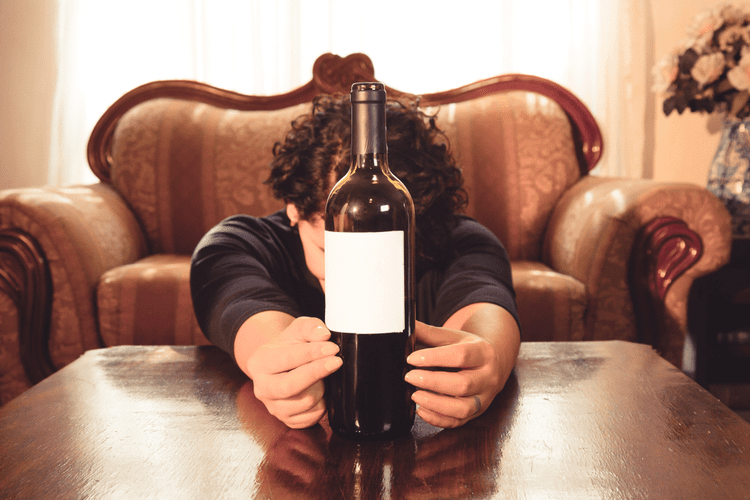
The Role of Alcohol in Mental Health
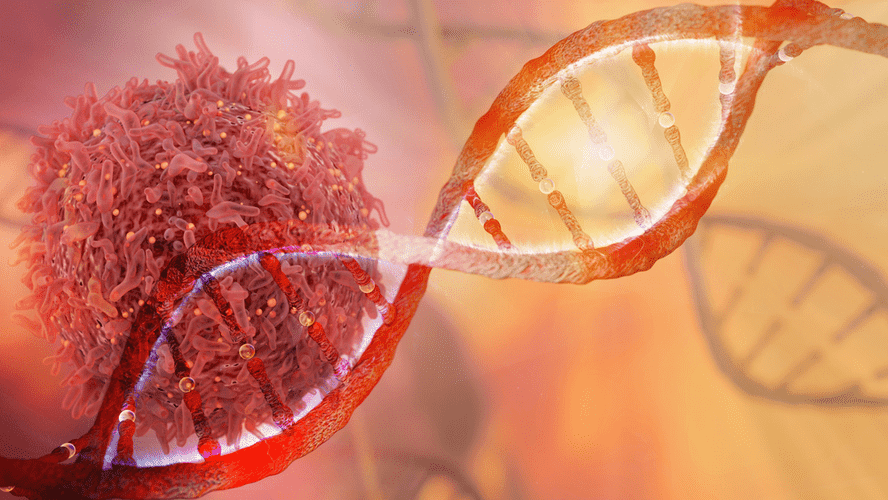
Alcohol disrupts this balance, leading to a neurotransmitter imbalance that can exacerbate symptoms of anxiety and depression. Understanding the impact of alcohol on your mental health is essential if you aim to serve others effectively. By recognizing how it hinders emotional regulation and damages social interactions, you can make more informed choices that support both your well-being and your ability to help those around you. Our findings are in direct contrast to an early meta-analysis (Reference Hartka, Johnstone and LeinoHartka Sober living house et al, 1991) that reported a significant correlation between baseline consumption of alcohol and depression at follow-up based on data from eight longitudinal studies. However, in this analysis control of confounders was limited to age, gender and interval between measurements. Irrespective of the method used to classify alcohol consumption, those who had not drunk alcohol in the previous 12 months were significantly less likely to have anxiety and depression at follow-up (Table 3).
Use our health tools
The distinction is important, because symptoms might be only temporary, whereas true psychiatric disorders are likely to require long-term and more intensive treatments, including psychotherapy and medication. Thus, few of the investigations offered assurance that an alcoholic or alcoholic’s relative actually had a long-term psychiatric syndrome rather than a temporary alcohol-induced condition. Alcohol and depression are closely linked, creating a challenging cycle. When people abuse alcohol, it can make symptoms of depressive disorders worse. Alcohol disrupts the brain’s chemical balance, affecting mental health in a bad way.
- In this review, the term “negative affect” (i.e., negative hedonic tone and the biology that underpins it) describes the shared psychological and biological space for related constructs of anxiety, tension, stress-responding, and anxiety disorder.
- The “burst” of energy from alcohol can be a welcome relief against some symptoms.
- When it comes to alcohol and mental health, it’s crucial to understand how drinking can exacerbate symptoms of anxiety and depression.
- Her fields of interest include Asian languages and literature, Japanese translation, cooking, natural sciences, sex positivity, and mental health.
Tips to change your relationship with alcohol
Certain theories give rise to the expectation that alcoholics might have high rates of long-term, independent anxiety and depressive disorders (Wilson 1988). Perhaps as a result of the influence of these theories, psychotherapists frequently reported deep-seated emotional difficulties or persisting psychiatric symptoms in alcoholics, even when alcohol-dependent people were sober. Drinking alcohol affects the brain and can lead to different mental health problems. Some people might feel relaxed after drinking, but regular drinking can make anxiety and depression worse. Alcohol use disorder is a https://rentacarkigali.com/is-addiction-really-a-disease-scrc/ serious issue that disrupts emotional stability and can cause other mental disorders. The reverse analysis did not demonstrate an excess of hazardous or binge-drinking at follow-up in those with anxiety and depression at baseline.
Associations between baseline anxiety and depression and alcohol consumption at follow-up
People who drink a lot or have an alcohol use disorder may notice their anxiety or depression gets worse because of their drinking habits. Though it seems harmless, moderate drinking can still cause anxiety attacks, especially in those with social anxiety disorder. Drinking alcohol, no matter the amount, affects emotional health and stress levels. The link between alcohol and anxiety is complicated, and mood disorders can happen even from moderate drinking. You might think that drinking helps you manage stress, but chronic alcohol does drinking make your depression worse consumption actually disrupts your body’s natural emotional regulation processes.
Spending time in nature can also have health benefits, including improving your mood. If the sun is out, that’s even better — sunshine can trigger the release of serotonin, which can help relieve depression. As a result, any troubles you’re facing, from work stress to relationship issues, may get worse.

